
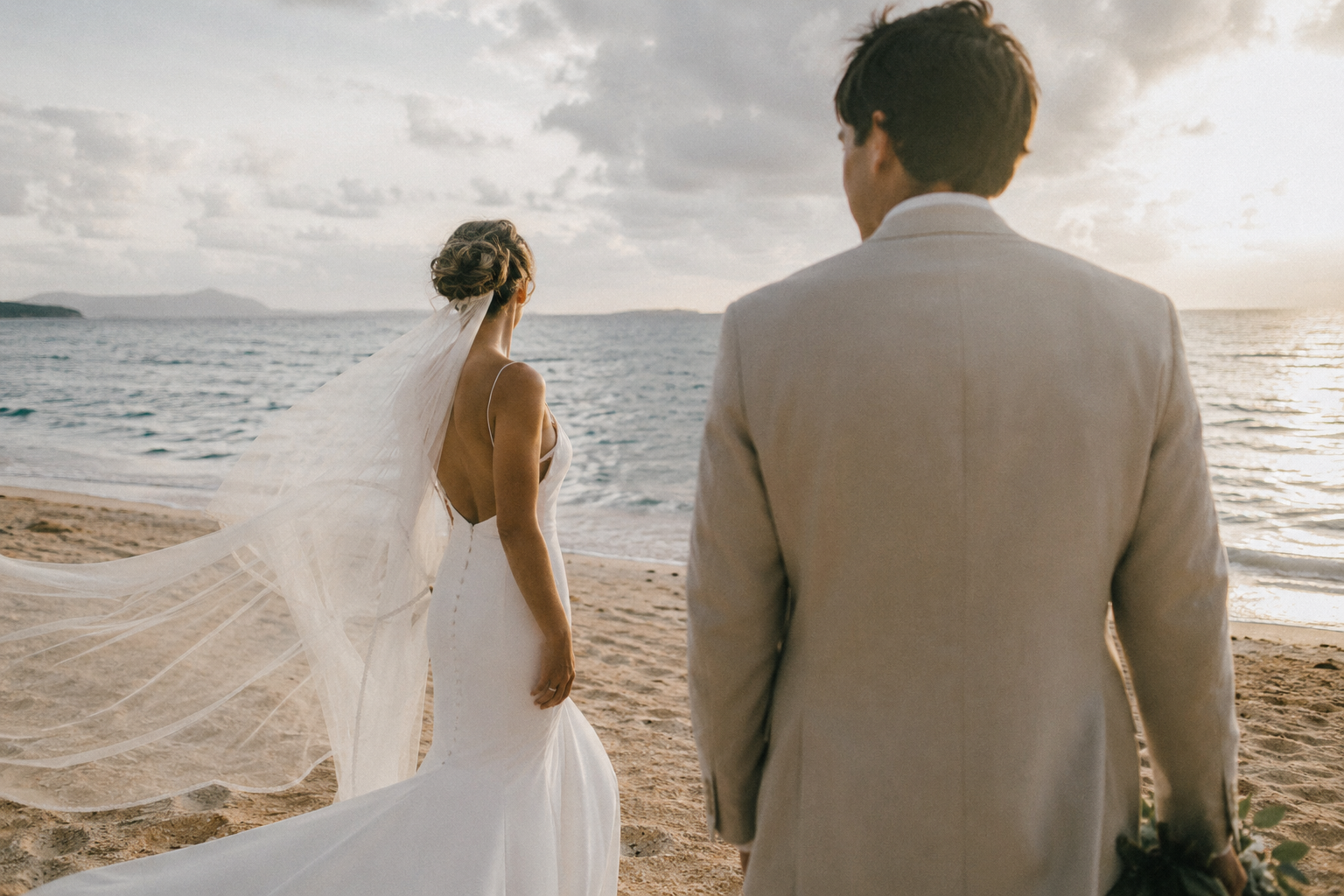
12 Important Issues to Consider When Planning a Beach Wedding
What Issues Should You Worry About When Planning a Beach Wedding?
There’s something undeniably magical about a beach wedding. The ocean breeze, glowing sunset, barefoot walks in the sand, and natural coastal scenery create an unforgettable atmosphere that feels both romantic and relaxed. But while beach weddings look effortless in photos, they often require far more planning than couples expect.
As a wedding photographer, I’ve seen firsthand how the beach can create stunning moments — and also unexpected challenges. From wind and weather to lighting, tides, permits, and guest comfort, there are several important details couples should think through before saying “I do” by the water.
If you’re planning a beach wedding, here are the biggest issues to worry about — and how to prepare for them successfully.
1. Weather Can Change Quickly
Beach weather is unpredictable. Even if the forecast looks perfect in the morning, conditions can shift rapidly by the afternoon.
Common beach wedding weather problems include:
Sudden rain showers
Strong wind gusts
Excessive heat
Humidity
Coastal storms
Overcast skies
If you're getting married during hurricane season in Florida or along the East Coast, weather planning becomes even more important.
Pro Tip
Always have a backup plan. A nearby indoor venue, tent option, or covered pavilion can save the day if conditions change unexpectedly.
You should also monitor:
Local weather forecasts
Wind conditions
Sunset timing
Tide schedules
Helpful resources:
2. Wind Can Affect Everything
Many couples underestimate how strong beach winds can be.
Wind impacts:
Hair and makeup
Veils and dresses
Audio quality during vows
Ceremony décor
Candles and signage
Photography equipment
A beautiful ocean breeze can quickly turn into a logistical issue if you aren’t prepared.
Pro Tip
Use:
Weighted centerpieces
Wind-resistant floral arrangements
Wireless lapel microphones
Strong ceremony arches
Hairstyles designed for humidity and movement
Photographers also need to adjust constantly for blowing sand and shifting light, so hiring someone experienced with outdoor beach weddings matters.
3. Beach Lighting Is Beautiful — But Tricky
The beach offers incredible natural light, especially during sunset. However, harsh midday sunlight can create:
Squinting
Strong facial shadows
Overexposed backgrounds
Uneven lighting
The best beach wedding photos usually happen during “golden hour,” which is the period shortly before sunset.
Best Timing for Beach Ceremonies
Schedule your ceremony:
About 60–90 minutes before sunset
Earlier during winter months
Later during summer depending on heat
This timing creates:
Softer skin tones
Better ocean colors
More flattering portraits
Romantic sunset images
4. Tides Matter More Than You Think
One of the most overlooked beach wedding problems is the tide.
A beach that looks wide and spacious in the morning can become much smaller later in the day.
High tide can:
Flood ceremony areas
Limit photography locations
Create crowding
Reduce guest seating space
Before finalizing your ceremony time, check local tide charts carefully.
Pro Tip
Visit the beach at the exact time your wedding is scheduled to see real conditions in advance.
5. Permits and Regulations Can Be Complicated
Many public beaches require permits for:
Wedding ceremonies
Photography
Arches or décor
Chairs and tents
Amplified sound
Some beaches also restrict:
Alcohol
Fireworks
Drone photography
Guest counts
Failing to secure permits can lead to fines or even canceled ceremonies.
Helpful Resource
The Knot has useful planning guidance:
https://www.theknot.com
Always contact:
Local parks departments
Beach management offices
City permit offices
before finalizing your plans.
6. Guest Comfort Is Extremely Important
What feels romantic for a couple may feel uncomfortable for guests if not planned properly.
Beach weddings often involve:
Heat
Sand
Long walking distances
Limited shade
Humidity
Older guests, children, and guests wearing formal shoes may struggle more than expected.
Ways to Improve Guest Experience
Consider providing:
Water stations
Hand fans
Sunscreen baskets
Flip-flops or sandals
Shade umbrellas
Cooling towels
Also think carefully about accessibility if guests have mobility concerns.
7. Sand Creates Unique Challenges
Sand gets everywhere.
It affects:
Shoes
Dresses
Camera gear
Tables and décor
Dance floors
Food setups
High heels are especially difficult on soft sand.
Pro Tip
Many couples now choose:
Barefoot ceremonies
Sand-friendly footwear
Wooden walkways
Outdoor rugs
Elevated platforms
These small details make a huge difference for comfort and practicality.
8. Sound Can Be Harder Than Expected
Ocean waves are louder than most people realize.
Without proper audio equipment:
Guests may not hear vows
Music can become distorted
Wind noise may overpower microphones
Pro Tip
Hire a professional sound provider familiar with outdoor weddings.
Use:
Wind-protected microphones
Battery-powered speakers
Backup audio equipment
A sound check before guests arrive is essential.
9. Hair, Makeup, and Humidity Need Extra Planning
Humidity affects nearly everything at beach weddings.
Common problems include:
Frizz
Makeup melting
Sweating
Dress wrinkling
Beach-friendly styling matters.
Best Practices
Choose:
Lightweight fabrics
Waterproof makeup
Humidity-resistant hairstyles
Breathable suits and dresses
Your beauty team should ideally have experience with coastal weddings specifically.
10. Choosing the Right Photographer Matters
Beach weddings are one of the more technically challenging environments for photography.
Photographers must handle:
Rapid lighting changes
Wind
Bright reflective sand
Harsh sunlight
Moisture and salt air
An experienced beach wedding photographer knows:
How to position couples for flattering light
How to work around crowds
How to use weather creatively
How to capture sunset portraits efficiently
The right photographer won’t just document the wedding — they’ll help guide the timeline, lighting, and flow of the day itself.
Beach Wedding Planning FAQ
What is the best time for a beach wedding?
The best time is usually 60–90 minutes before sunset for softer lighting, cooler temperatures, and better photography conditions.
Do you need a permit for a beach wedding?
Many public beaches require permits for ceremonies, chairs, décor, photography, or amplified sound. Always check local regulations early.
How do you keep guests comfortable at a beach wedding?
Provide water, shade, sandals, fans, sunscreen, and accessible seating areas to improve guest comfort.
Is a beach wedding harder to photograph?
Yes — beaches present unique lighting, wind, and weather challenges that require an experienced photographer.
What should brides wear to a beach wedding?
Lightweight fabrics, breathable materials, and comfortable footwear work best for beach ceremonies.
What happens if it rains during a beach wedding?
Every beach wedding should include a weather backup plan, such as tents, indoor venues, or alternate ceremony spaces.
Final Thoughts
Beach weddings can be absolutely incredible when planned thoughtfully. The scenery is naturally beautiful, the atmosphere feels relaxed and intimate, and the ocean creates an unforgettable backdrop for wedding photos.
But the best beach weddings happen when couples prepare for the realities that come with coastal environments — including weather, wind, tides, guest comfort, and lighting.
With proper planning and the right team, your beach wedding can feel effortless while still running smoothly behind the scenes.
If you’re planning a beach wedding in Florida or beyond and want natural, documentary-style photography that captures the atmosphere authentically, feel free to reach out through www.ryans.pictures. I’d love to help document your day in a way that feels real, timeless, and true to you.